

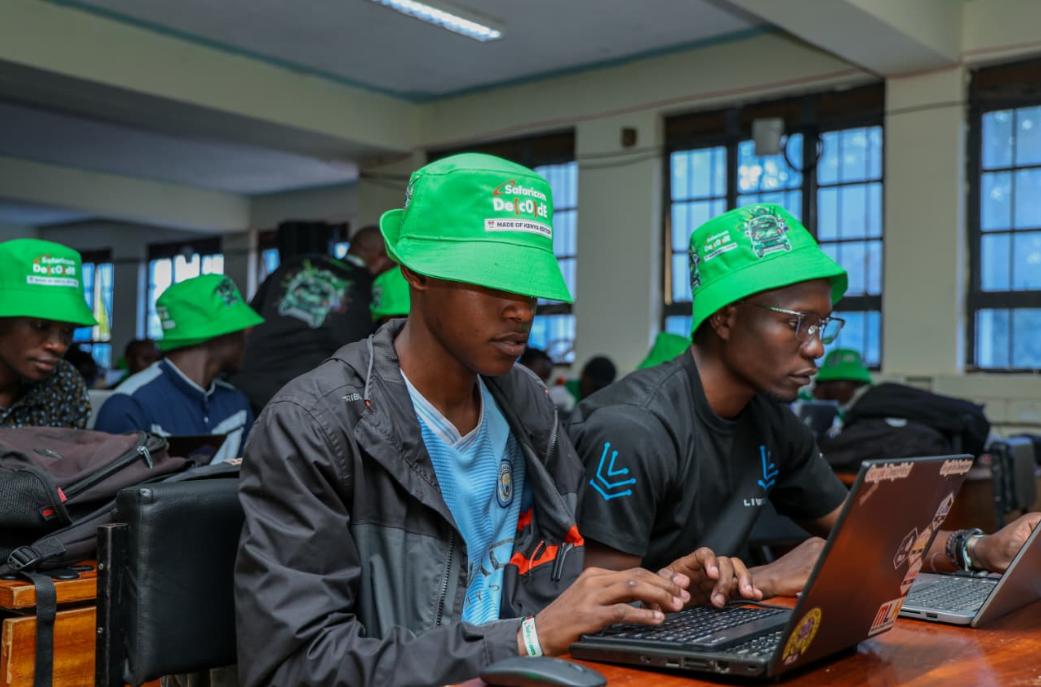
Technology students at Masinde Muliro University of Science and Technology (MMUST) and neighbouring institutions in Kakamega have received hands-on exposure to emerging technologies through Safaricom’s Regional Decode Café.
The initiative brought Safaricom’s developer-focused innovation platform to Western Kenya, giving students an opportunity to explore how technologies such as the Internet of Things (IoT), Artificial Intelligence (AI), AgriTech and Cyber Security can be applied to solve real-world challenges.
The sessions placed particular emphasis on agriculture, a major part of the region’s economy, demonstrating how technology can support areas such as smart farming, automation, data collection and informed decision-making.
Rather than relying solely on conventional presentations, the programme encouraged students to think like technology builders. Through Builder Labs and Chalk Talks, participants explored emerging technology trends, engaged in technical discussions and gained practical insights into developing and testing digital solutions.
For students pursuing technology-related courses, the sessions provided an opportunity to connect classroom learning with practical applications. The Smart Hardware component, for instance, introduced participants to possibilities in connected agriculture, including the use of sensors and automated systems to improve farm productivity and market access.
Safaricom said taking Decode to MMUST forms part of its broader efforts to promote technology innovation beyond established technology hubs and create more opportunities for young people to participate in Kenya’s growing digital economy.
Universities such as MMUST play an important role in this ecosystem by bringing together students, developers, engineers, researchers and entrepreneurs with the skills and ideas to address local and continental challenges.
By connecting these students with industry expertise and emerging technologies, the Regional Decode Café aims to provide a pathway from learning and experimentation to adoption and, ultimately, co-creation of solutions.
The initiative also seeks to widen access to Kenya’s technology ecosystem by giving students outside Nairobi direct opportunities to engage with industry professionals and explore how digital tools can address challenges within their communities.
For the students at MMUST, the programme highlighted the potential for innovation to emerge from university laboratories, classrooms and individual developers experimenting with new ideas.
With access to the right skills, technology and industry exposure, such ideas can develop into practical solutions capable of creating an impact beyond the university and the Western Kenya region.


